This Week’s Update
Indian Summer
October 8, 2026
Ten Thousand Plugs, and a Hot Noon
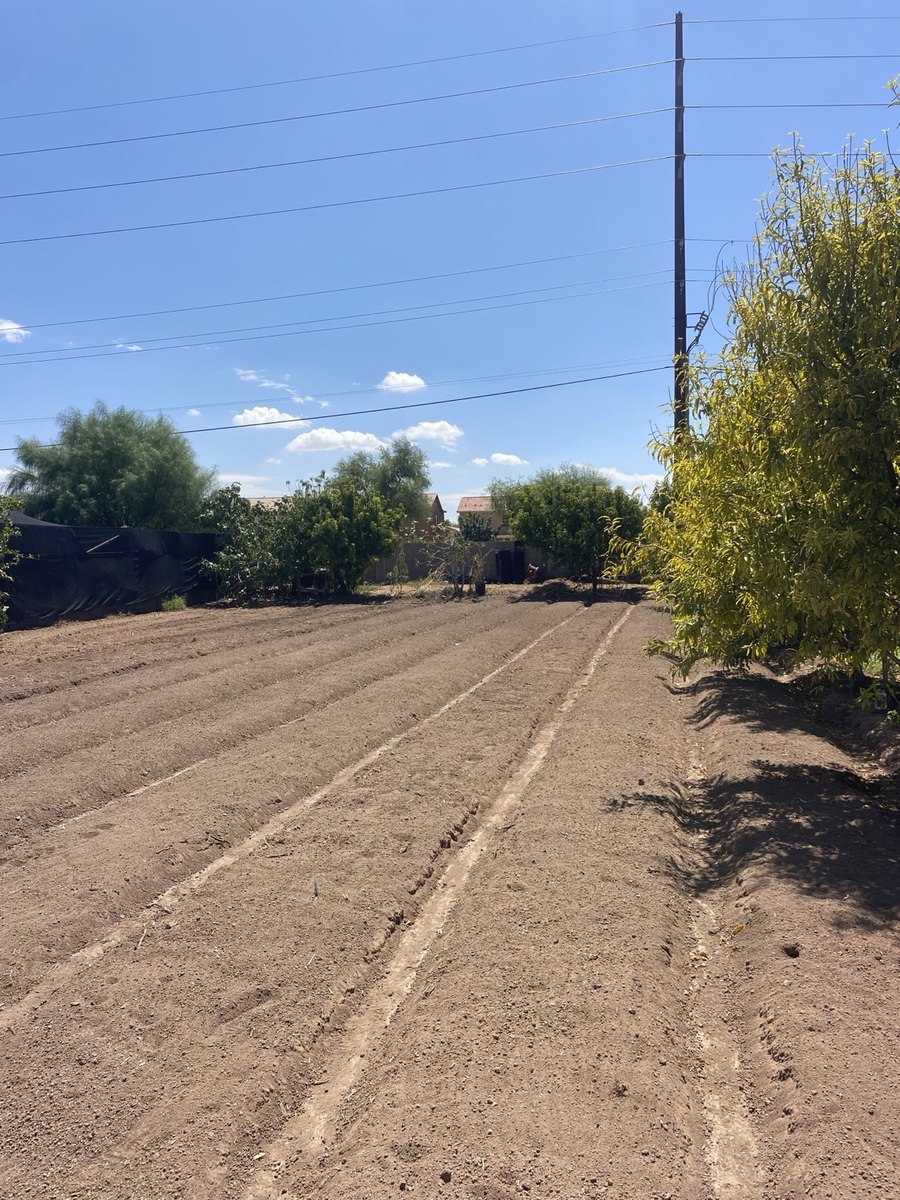
This last blast of heat off the desert floor is challenging us. The bugs are fat and happy on the summer plant decay, and now they are jumping onto the new growth. We are in the turn from summer to fall. The soil wants to be planted. The air has not agreed yet.
We have more than 10,000 plugs waiting. Baby plants. They are temperature sensitive. Plant too early and the midday heat burns them off. Plant too late and we miss the daylight window, and worse, we miss the market window. Eighteen years in this valley taught me the rule. Summer into fall is always about the heat. Winter into spring is always about the freeze. The calendar does not care which one is inconveniencing you.
If we wait on this fall plant, we will not have a bulk of food for another 45 to 60 days. I am asking for your patience. You are already seeing broccoli and cauliflower at the farmers market. We have not planted yet. A lot of what you are looking at is not from a farm that grew it. It is produce from out of state, or out of the country, resold under a local name. First out always gets the higher price per pound. When our crop comes in, we will have to meet the market lower.
From where I stand, that race has not one concern for nutrition, nutrient density, or what it takes to grow clean food. Appearance. Size that fits a case. That is corporate food wearing a market apron. This is where Brix comes in. In a food system that made sense, the farmer would be paid for what is in the plant, not for how pretty it sits in a carton.
We will not burn the plugs to win the first week of market.
This Week on the Land
Heat, Bugs, and a Bench Full of Babies
WHAT GREW:
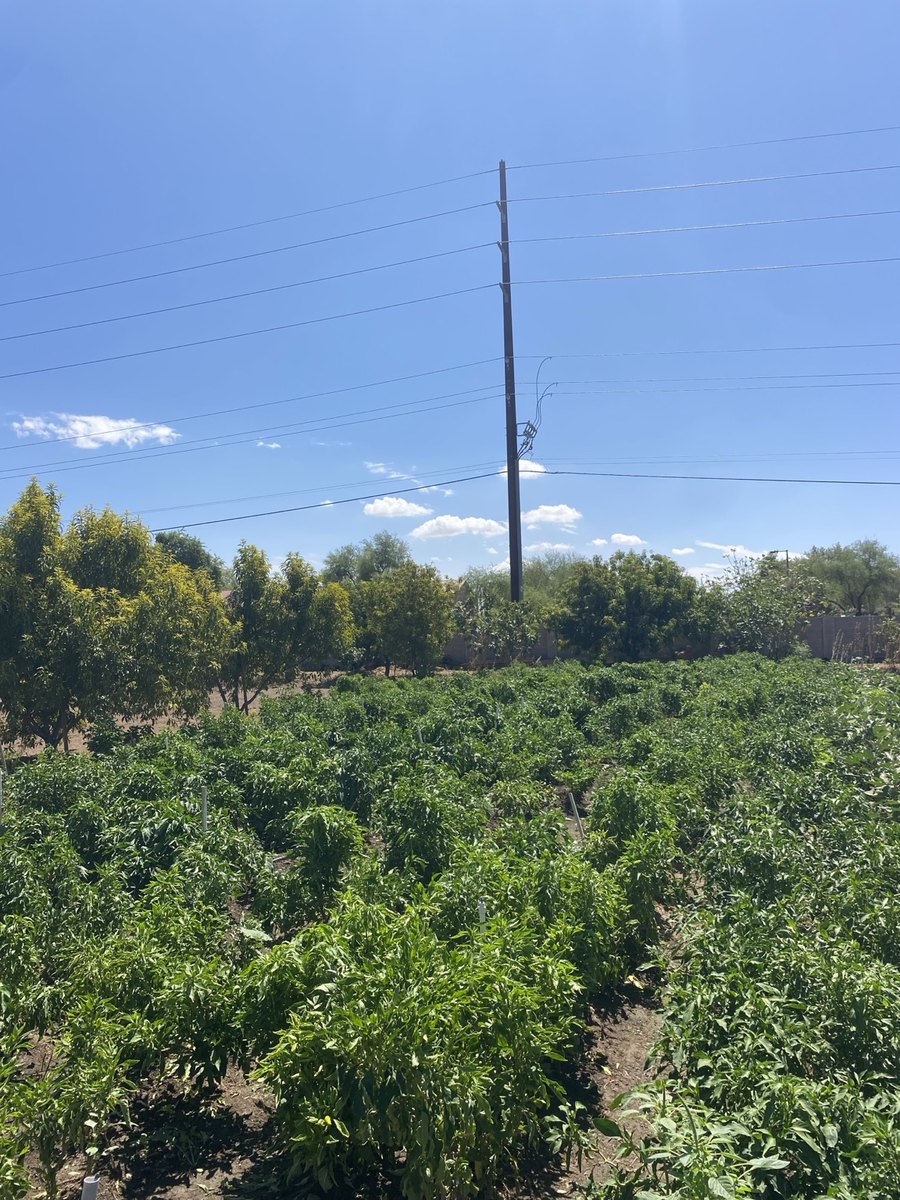
The transition growth is up. Tender. Exactly what a fat bug wants
after a summer of decay. Shade cloth is earning its keep.
WHAT FAILED:
A few plugs we pushed early showed the burn by midafternoon. The
leaf cooked before the root ever took. That is the lesson, not a
surprise.
WHAT I NOTICED:
The soil in the shade is finally workable. The open row at 1 p.m.
is still a griddle. The hesitation is not fear. It is eighteen years
of watching.
Moon and Soil
Thin Moon, Hot Soil
Last quarter was Saturday. We are on a waning crescent, headed for the new moon on Saturday, October 10. A new moon is a good intention day. It is not a permission slip to plant 10,000 heat-sensitive plugs into a noon that still lies. Root crops that can take the warmth can go into a pre-wet furrow. The brassica babies stay on the bench, under shade, until the nights give us a real drop.
NOW — Waning crescent:
Finish. Do not force the plugs.
SATURDAY, OCTOBER 10 — New moon:
Set the intention. Watch the noon.
SATURDAY, OCTOBER 17 — First quarter:
Leaf energy builds. If nights drop.
BEDS — Indian summer:
Shade on. Water before seed.
The Almanac can suggest a planting day. The soil temperature on the back of the hand has the veto. If the plug leaf wilts before the root has a reason to stay, you did not gain a week. You lost the plant.
One Practice
Give the Plug a Noon Test
If you are holding baby plants this week, do not guess. Set one tray in the place you mean to plant, at the hour the heat peaks. Shade cloth on half of it. Come back at 3. The half that is still standing is your answer. Twenty minutes of watching beats a Saturday of replanting.
If you do not have plugs, you still have a job. Ask the stand where the broccoli was grown. If they cannot say the field, you are not buying from a farmer. You are buying a label.
Basket and Coming Days
What Is in Motion
In the basket: what survived the turn. Herbs, eggs, greens that made it, a few last summer fruits if the plants still have the nerve. Do not expect a pile of fall heads. Those are 45 to 60 days out if we plant when the plugs can live.
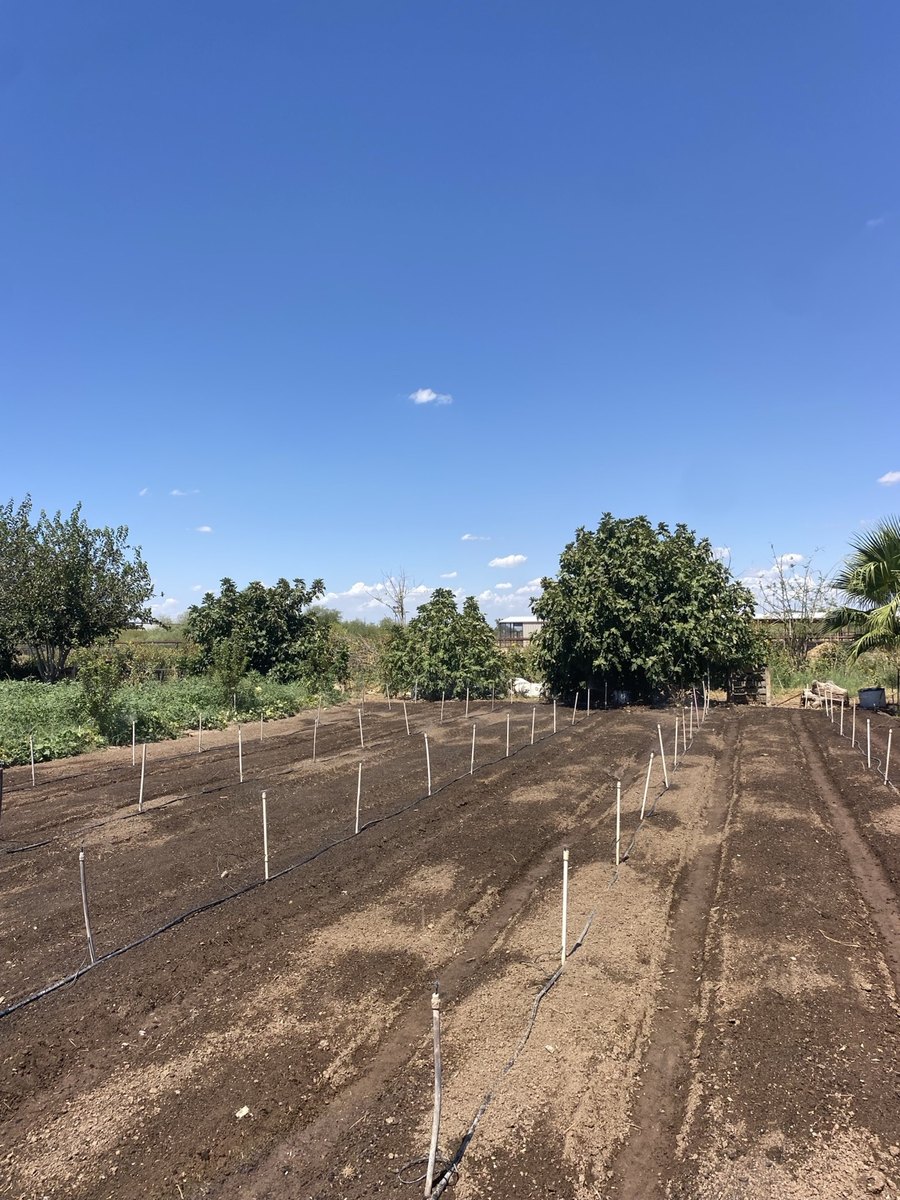
On the work list: hold the sensitive plugs under shade, water the benches before the heat, knock the bugs off the new growth, and keep the furrows ready so we can move the day the noon breaks.
Saturday morning class is on during market. Old-way food prep. Bring a jar and a question.
If you cannot get to us, stand with the neighbors who grow what they sell. Sovereign Acres in Apache Junction. Kinsey Kountry Farm in Gilbert. Sphinx Date Company in Scottsdale. Honeybrook Farms in Gilbert. A dollar at a gate that grew the food is the whole argument.
One Line, Then Mine
From the Old Teachers
“The plant is the bridge. Quality is the point of the bridge, not the size of the load.”
— Rudolf Steiner, as I hear him when we talk about food that feeds a person and not a carton
My translation this week: Brix tells me what the plant actually made. A pretty head from somewhere else tells me it fit the box. We are waiting on the first one.
Sign-Off
Write me if you see local names on food that was not grown here. I would rather you wait six weeks for a head we stood in the heat for than buy a carton that only borrowed the valley’s name. The market window is real. So is the burn. We are choosing the plant.
Thank you for the patience. It is not a small thing. It is how a small farm stays a farm.
Eat something that still remembers the sun.
— Farmer Mark