Aquaponics Part 2
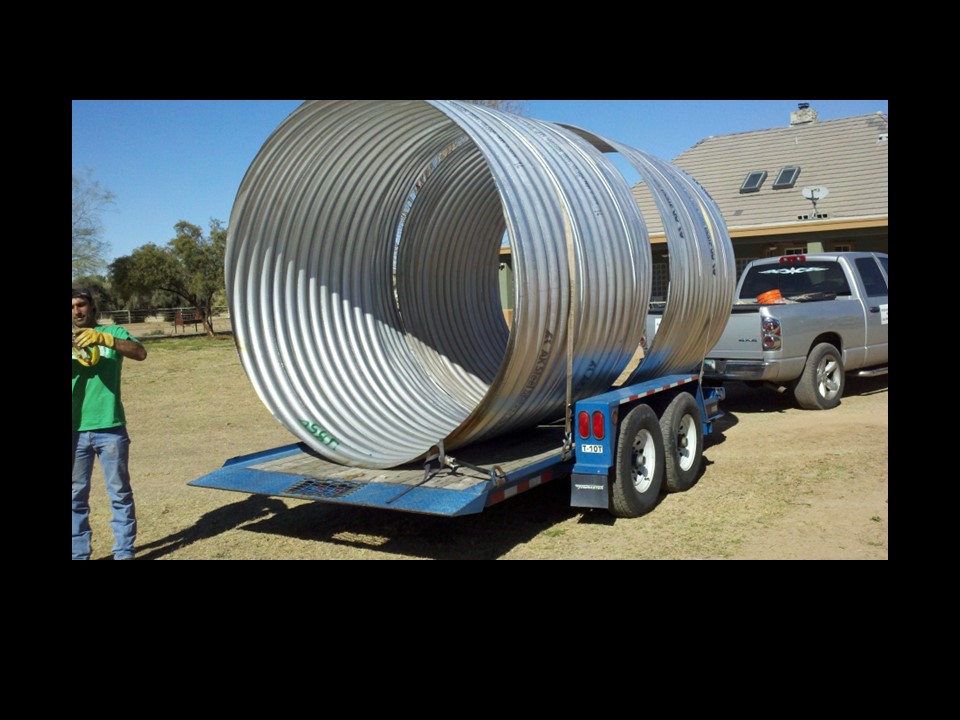
Once I started new field construction at The Ranch House, on a larger scale I purchased six ,(6’x8’), steel culvert pipes. I buried these pipes using them to raise fish.
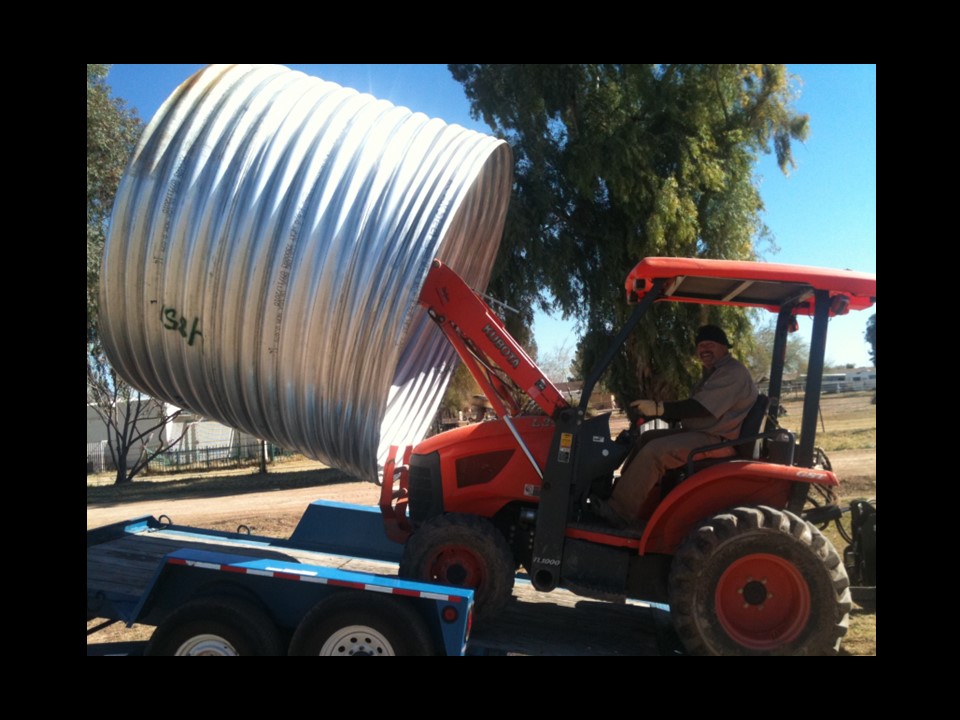 I dug a pond off of my irrigation trench in the back of the property. Knowing that local irrigation water quality was very poor, I wanted to collect enough water and treat it before I released it to the buried culvert tanks.
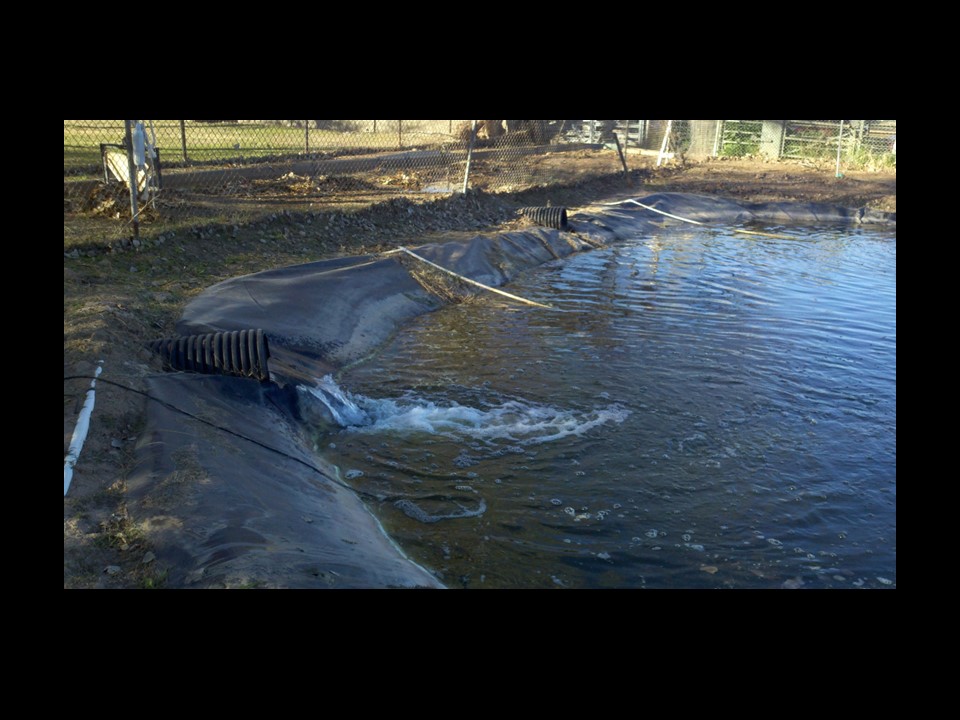
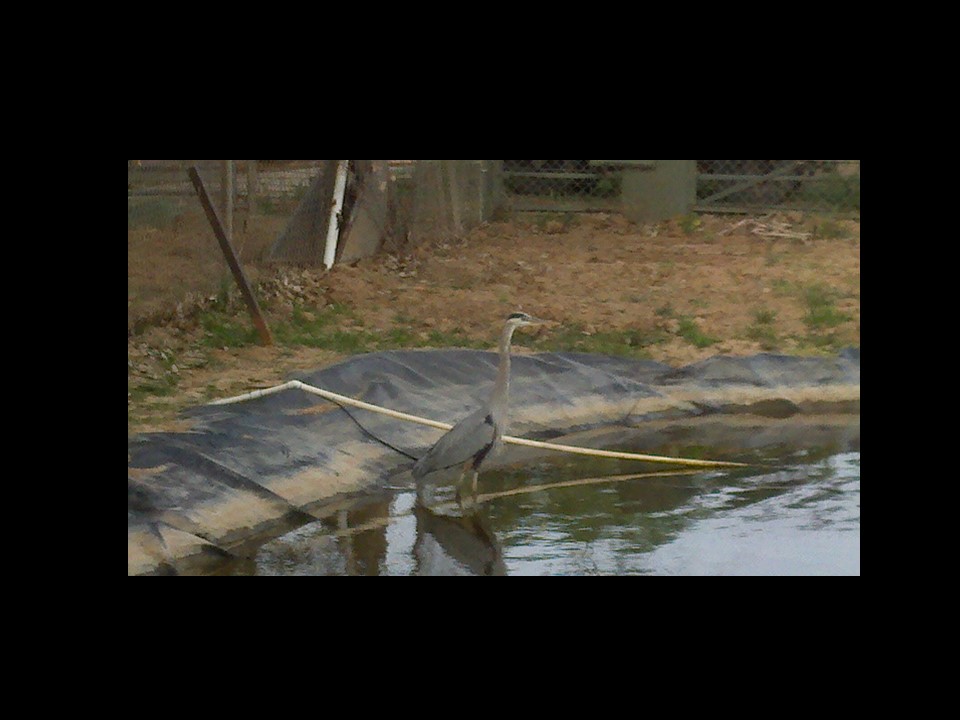 I placed the tanks in several locations on the back property, plumbing them all together, to draw water from the pond and return. Raising fish in each one of these tanks and recirculating the water would alleviate the need to filter the water for the fish. Also, I calculated the square footage of each soil garden that each tank was placed on, estimated 2” of water per seven days to water the vegetable gardens with the high nitrogen fish water as fertilizer and I should be able to grow some great crops. These garden tanks were filled with baby catfish. All tanks were aerated with an oxygen blower and the fish were fed every other day.
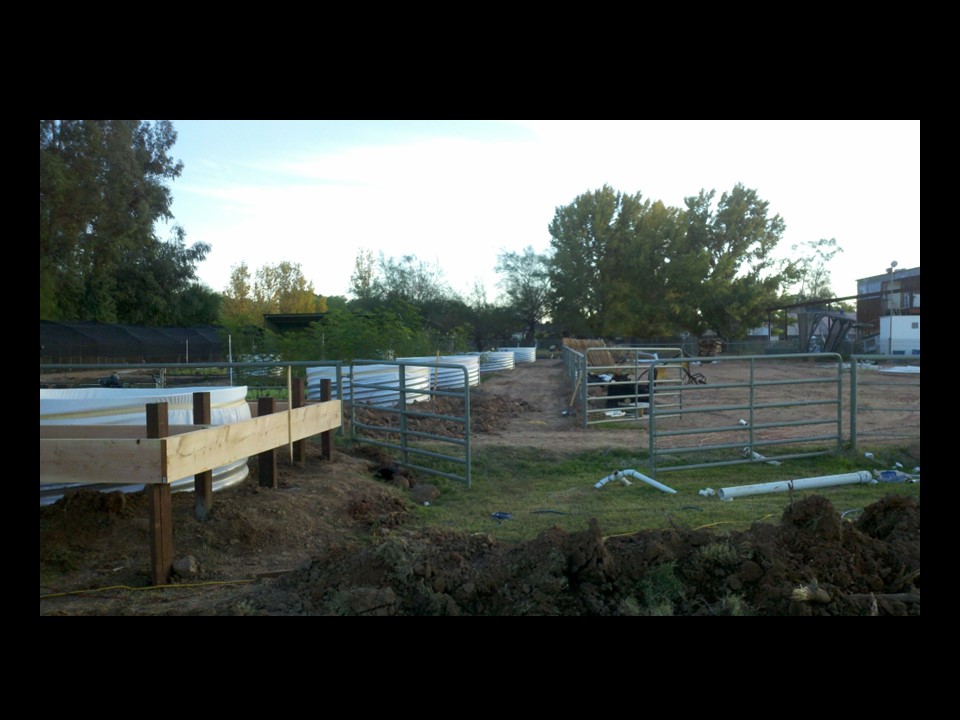 The system worked well until the fish grew, I learned another very important lesson in stocking density. Mother nature played a role in my failures during heavy rainstorms, drastic ph changes from the rainwater and a phenomenon called “Pond Flip”, which was algae driven. I was killing fish and struggling to find a solution. Nature took it’s course and culled off all of the excess fish in the tanks and environment, and the catfish stopped dying. The system finally balanced.
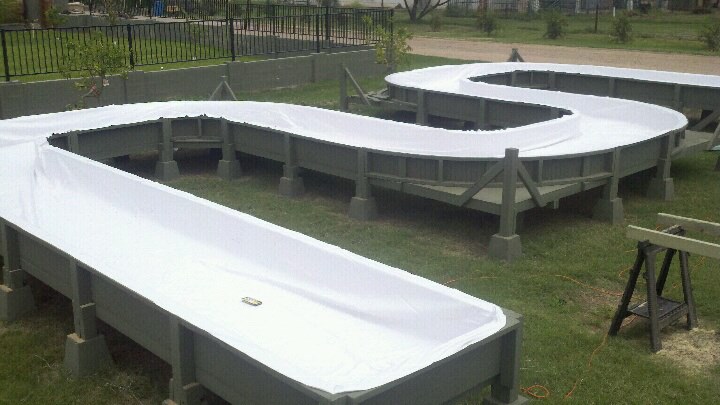
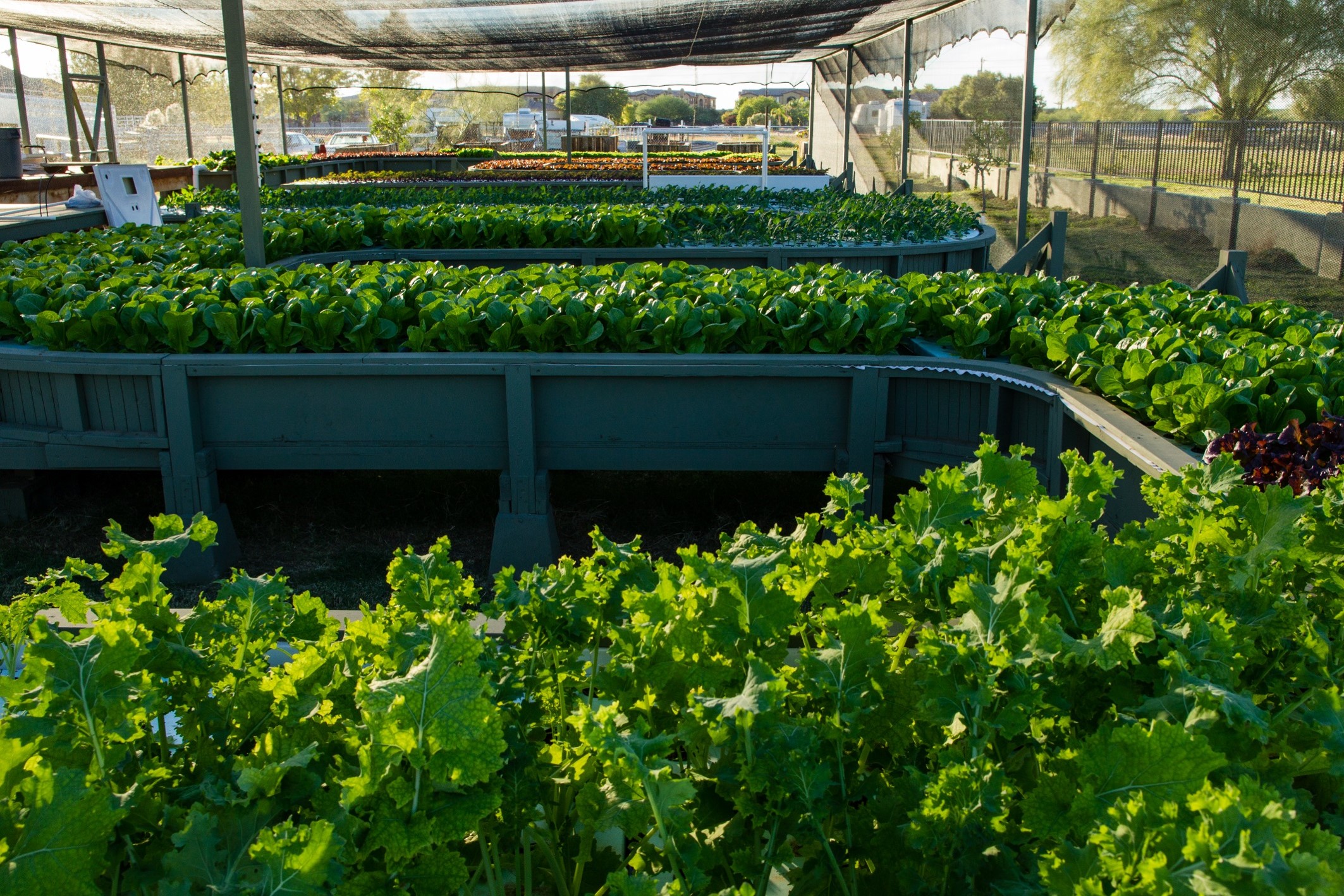
At the Ranch House I also started construction on another aquaponic system in a separate garden. This was going to be my warm tank system, (Tilapia). I still used water from the pond system, but I isolated it and heated. Other necessary changes that had to happen was the amount of labor involved in planting and harvesting. My thinking was to raise the aquaponic troughs to the height of 30” so my workers didn’t have to bend over to plant or harvest. Another huge difference in this system from the one in Chandler, was that the troughs have 45 Degree turns, instead of the straight runs from the Hawaiian system. Where in nature do you find straight lines? Of course, with these drastic changes from the Hawaiian system, I had some true engineering issues.
The system worked well until the fish grew, I learned another very important lesson in stocking density. Mother nature played a role in my failures during heavy rainstorms, drastic ph changes from the rainwater and a phenomenon called “Pond Flip”, which was algae driven. I was killing fish and struggling to find a solution. Nature took it’s course and culled off all of the excess fish in the tanks and environment, and the catfish stopped dying. The system finally balanced.
At the Ranch House I also started construction on another aquaponic system in a separate garden. This was going to be my warm tank system, (Tilapia). I still used water from the pond system, but I isolated it and heated. Other necessary changes that had to happen was the amount of labor involved in planting and harvesting. My thinking was to raise the aquaponic troughs to the height of 30” so my workers didn’t have to bend over to plant or harvest. Another huge difference in this system from the one in Chandler, was that the troughs have 45 Degree turns, instead of the straight runs from the Hawaiian system. Where in nature do you find straight lines? Of course, with these drastic changes from the Hawaiian system, I had some true engineering issues.
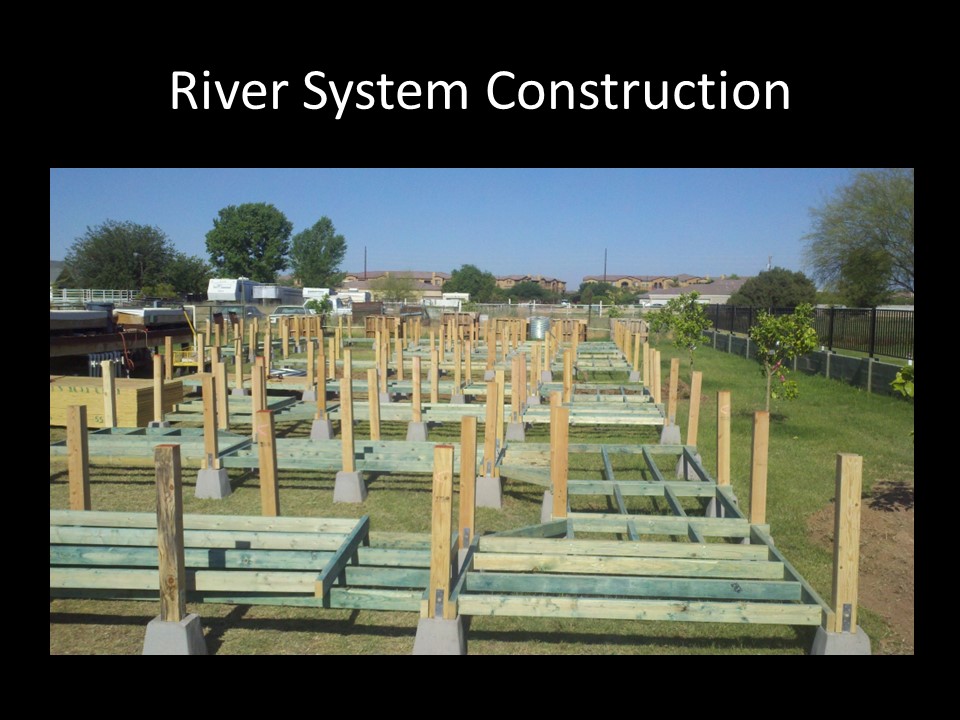
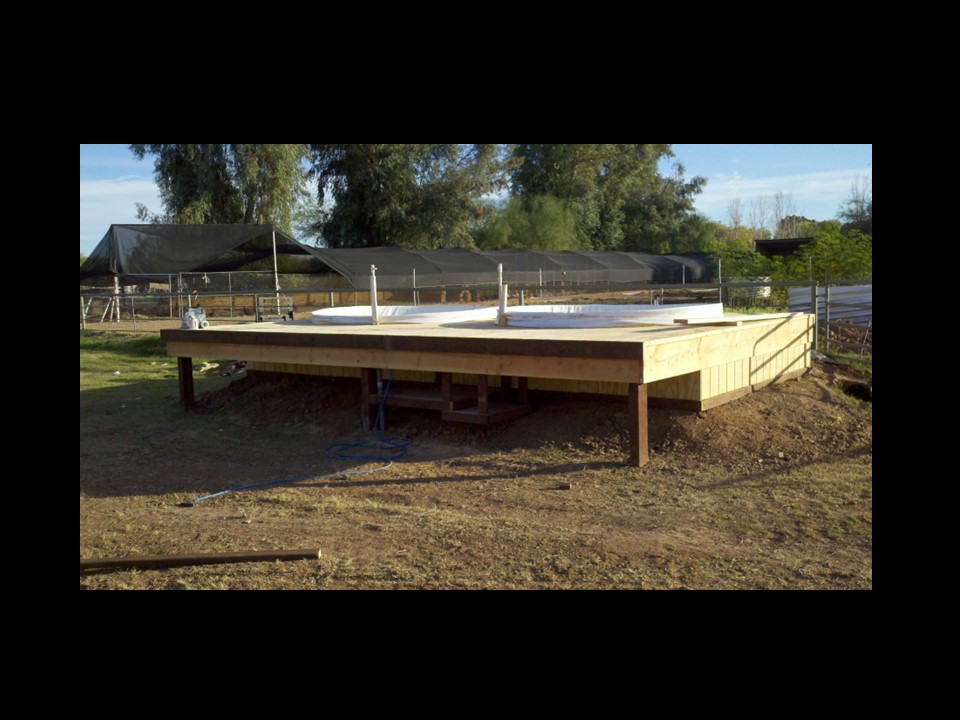 We solved the issues one by one, and the raised system was formally named, “The River System”. Once operational, it was a true work horse and a breeze to work with, a powerful tool on our little farm.